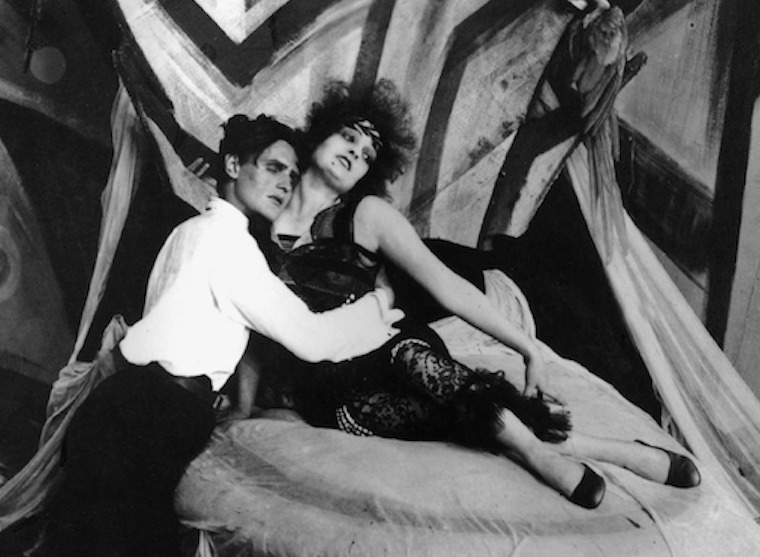
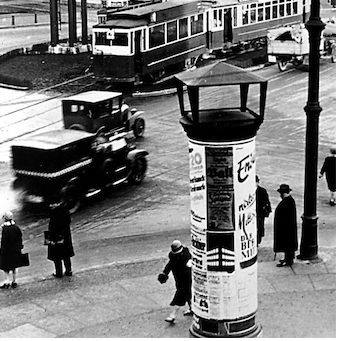
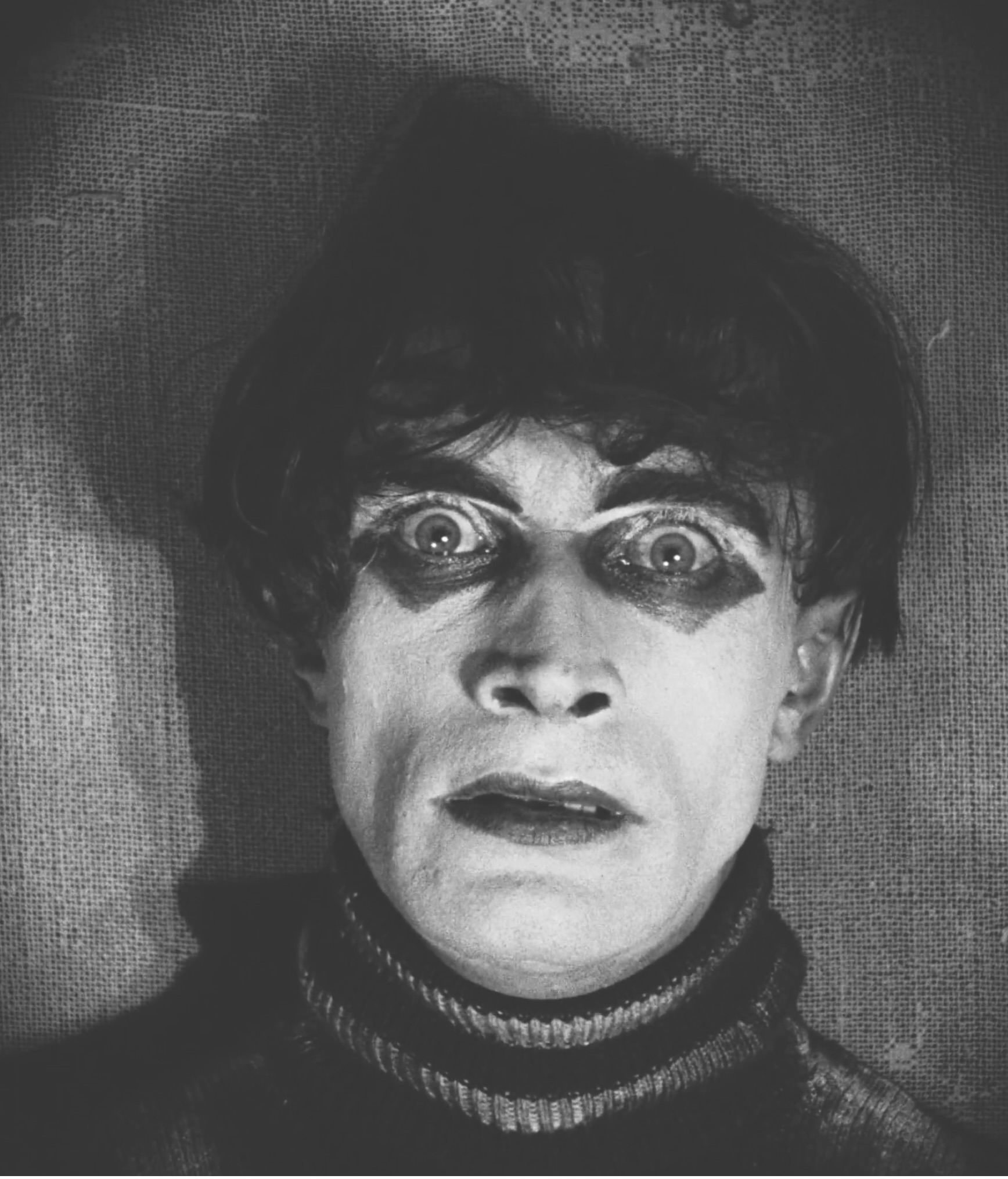
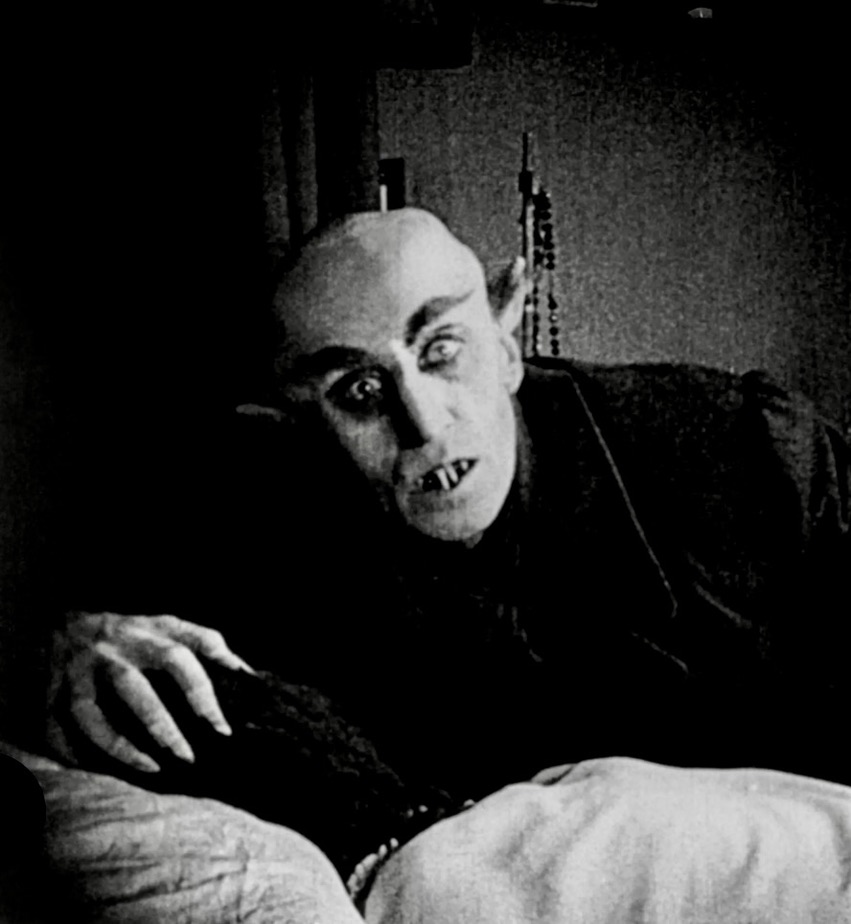
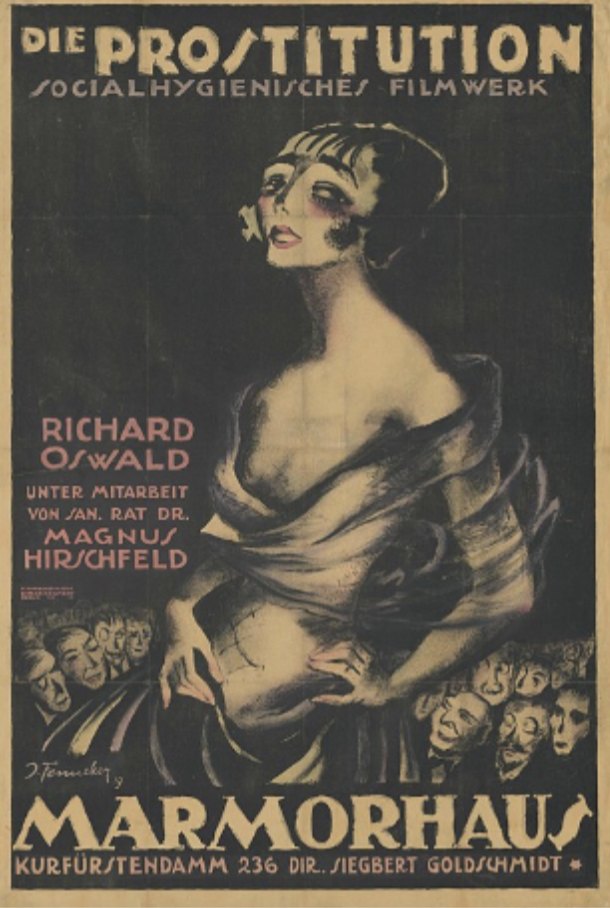
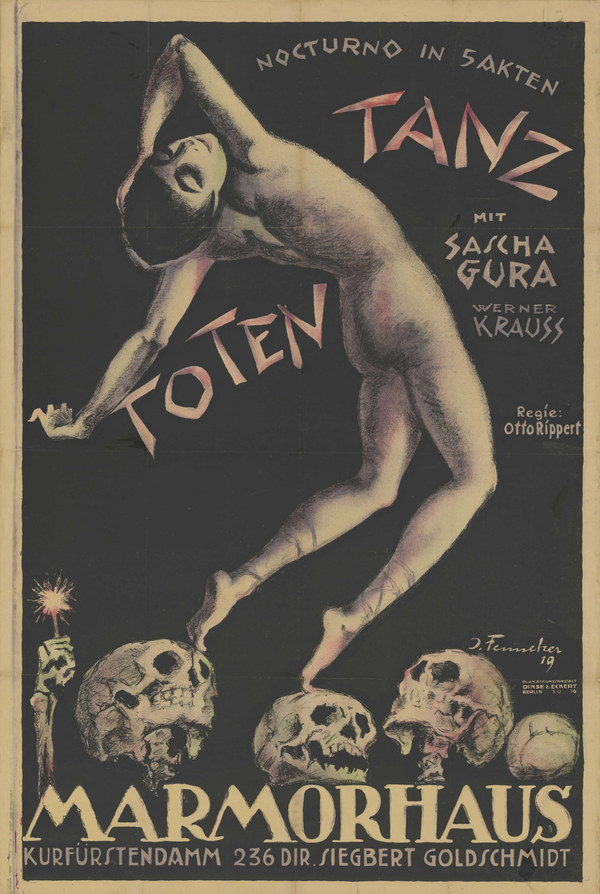
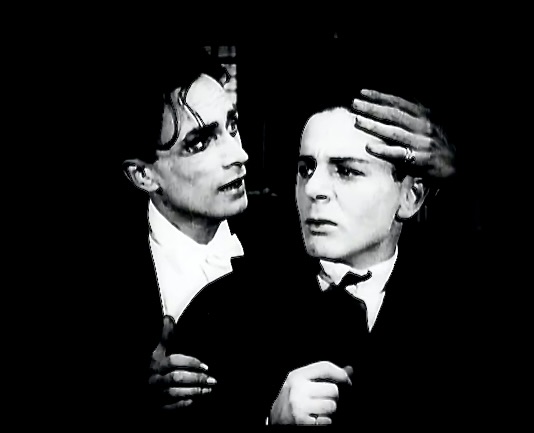
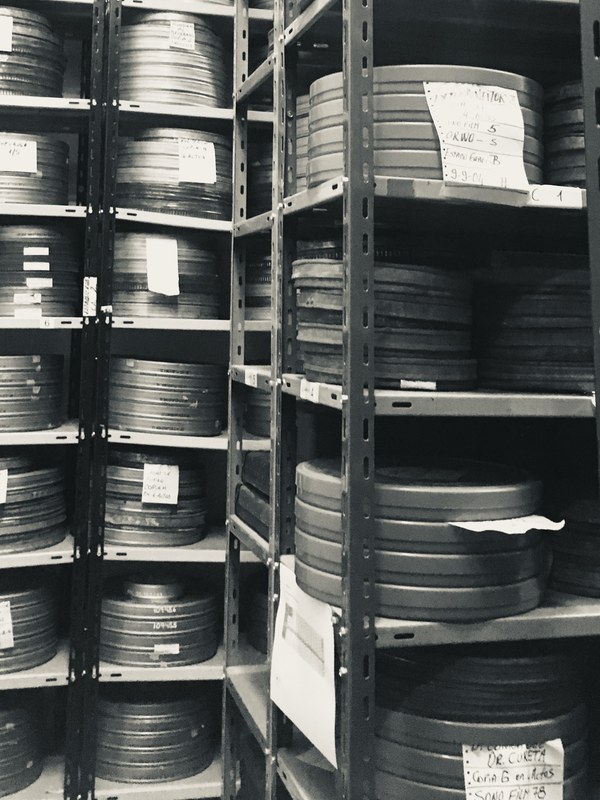
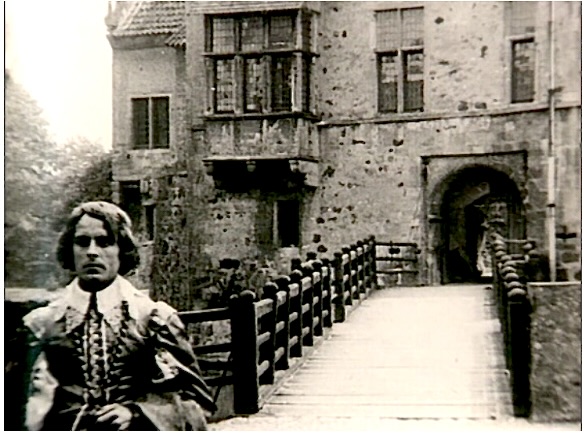
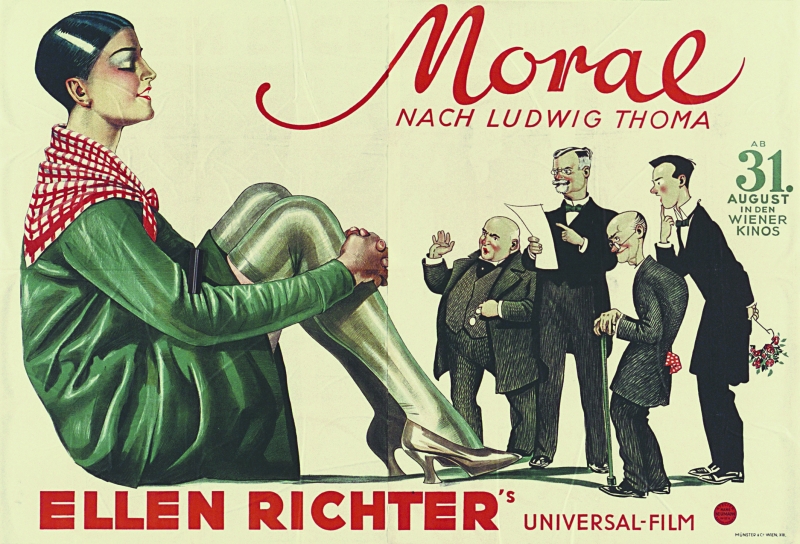
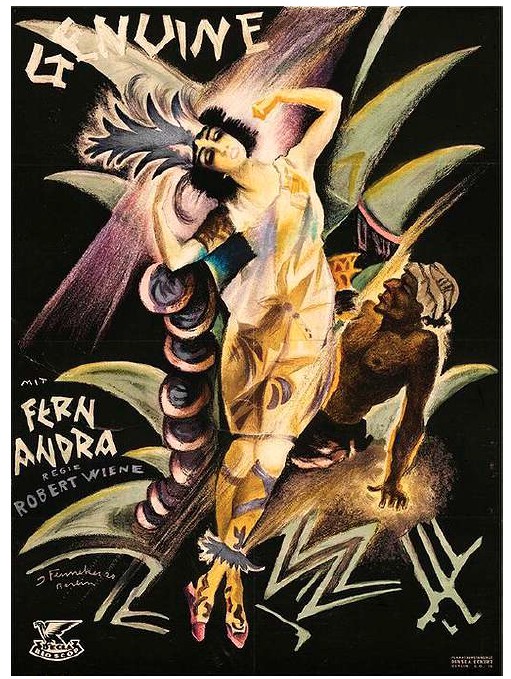
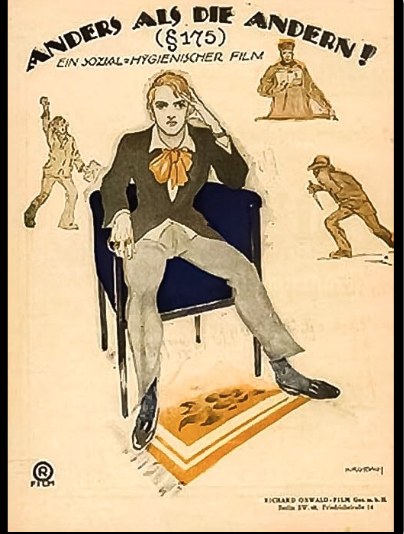
Welcome to the Fall 2026 edition of our redesigned website, devoted to the explosive birth of Weimar cinema. In November 1918, the abolition of censorship ushered in a turbulent period of experimentation that lasted eighteen months, until May 1920. Previously taboo subjects, including prostitution and homosexuality, appeared on screen; filmmakers experimented with painted sets and implausible narratives, as in The Cabinet of Dr. Caligari; and a flood of low-budget films produced a modern mass culture that is still with us. Almost all of the 470 German films produced in 1919 alone are considered lost owing to neglect and subsequent censorship. Several essays in this issue reflect on this loss and on the recovery of surviving remnants, including posters and reviews.
This edition accompanies the film program “Weimar Uncensored: Taboos and Transgressions in German Cinema, 1918–1920,” which will be presented at the 2026 Pordenone Silent Film Festival. The program was curated by Michael Cowan and Tony Kaes. Special thanks to Jay Weissberg for his strong interest in this project.
Thanks to associate editor Molly Harrabin’s initiative, we can now discuss the papers and topics of this edition online. Please sign up for this new interactive mailing list here.
Best wishes,
Tony Kaes and Cynthia Walk, editors
P.S. We would like to thank our developer, Avi Gupta, from UC Berkeley for redesigning our website! We improved navigation, organization, and searching, and even added a light-dark toggle in the bottom-right corner. For feedback and suggestions, please email us at weimarcinema@gmail.com. To join our mailing list, click here.